







Search Results for: insulation tips
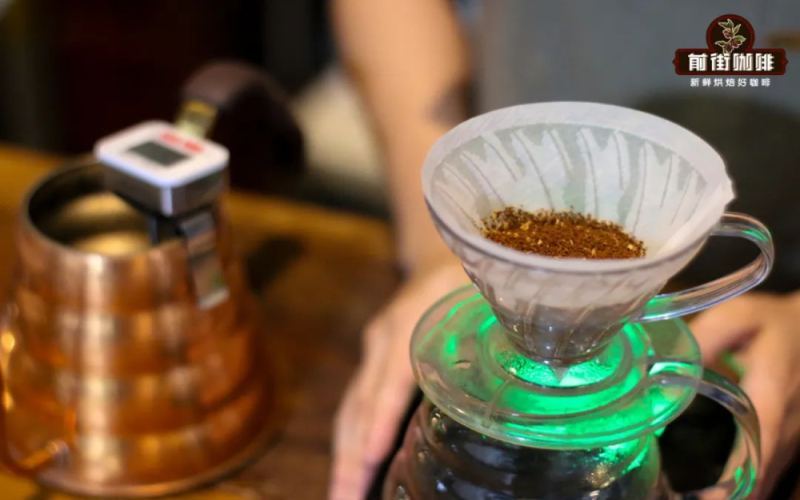
What temperature should you set for pour-over coffee in winter? Changes in slurry temperature and practical insulation tips
After the weather turns cold, many coffee enthusiasts find that using the same brewing parameters makes their coffee taste weak and lacking in sweetness. The problem often lies in the water temperature—a low-temperature environment accelerates heat loss, causing the actual extraction temperature to be lower than expected. Through actual testing, Front Street has found that at the same initial water temperature, there is a clear difference in the temperature of the coffee bed between summer and winter. This article will analyze the gap between the water temperature in the kettle and the extraction temperature, provide specific recommendations for adjusting water temperature in winter, and share practical techniques to reduce heat loss, helping you consistently produce a cup of pour-over coffee with full flavor even in the cold season. [more…]
A Detailed Guide to Four Coffee Brewing Methods: Operational Essentials for Siphon, French Press, Pour-Over Drip, and Cold Brew Iced Coffee
To brew a cup of coffee with rich layers of flavor at home, choosing the right equipment and mastering the correct technique are equally crucial. This article systematically introduces four mainstream coffee brewing methods—the siphon (vacuum) coffee maker, the French press, the paper-filter pour-over dripper, and cold-water iced coffee—breaking down each one's equipment features, suitable grind size, coffee-to-water ratio, and detailed operating steps, along with practical tips. Whether you are a coffee enthusiast just starting out or an advanced player hoping to refine your technique, you will find a brewing method that suits you. The article also specifically recommends related products from Front Street Coffee to help you start your home coffee journey more easily. [more…]
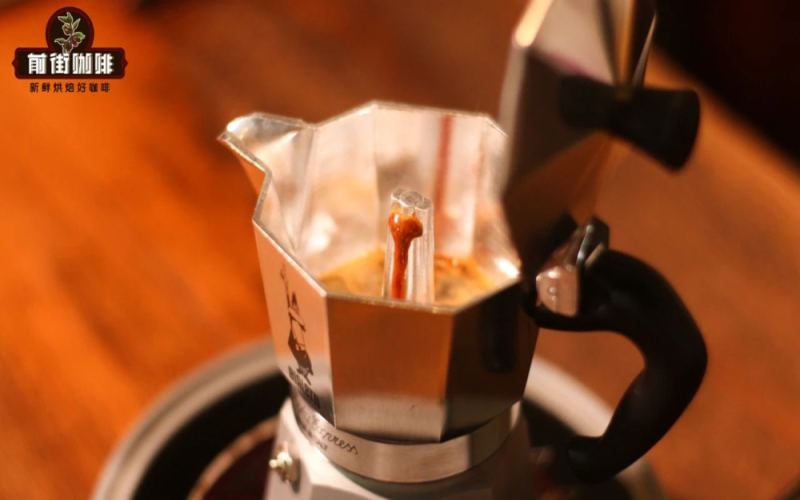
Moka Pot Aluminum Safety Analysis: A Complete Guide to Cleaning Taboos and Practical Operation Tips
As a classic coffee brewing device with a history of several hundred years, the moka pot is still favored by many coffee enthusiasts today. However, questions about whether it is safe, whether the aluminum alloy material poses any problems, and whether it can be put in the dishwasher for cleaning have long troubled many people. In daily conversations, Front Street has found that many friends have misconceptions about the moka pot, believing that it is complicated to use and poses safety hazards. In fact, as long as you master the correct methods of use and the key points of cleaning and maintenance, the moka pot can absolutely become a capable assistant for making coffee at home. Starting from the structure and principles of the moka pot, this article will analyze in detail the safety issues of aluminum moka pots, and compile more than ten practical operating precautions to help everyone avoid common misunderstandings and safely enjoy the rich coffee brought by the moka pot. [more…]
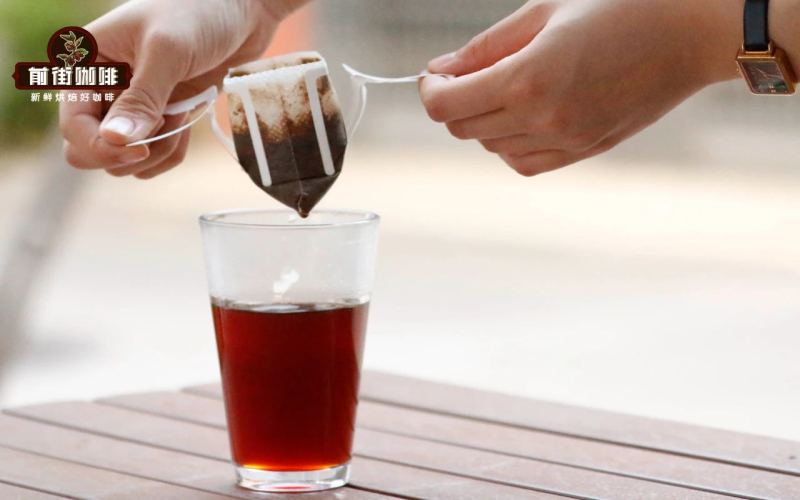
Drip Bag Coffee Brewing Tips | How to Brew Delicious Black Coffee with Filter Coffee? How to Correctly Brew Drip Bag Coffee Packets? Drip Bag Coffee Flavor Recommendations
Recently, a friend asked me how to brew drip bag coffee and if there are any special techniques. You've come to the right person! As someone who once treated drip bag coffee like instant coffee, I'm here to teach you the ultimate secrets of brewing drip bag coffee! First, let's talk about drip bag coffee! Drip bag coffee is a type of coffee with a hanging ear paper card for filtration. [more…]
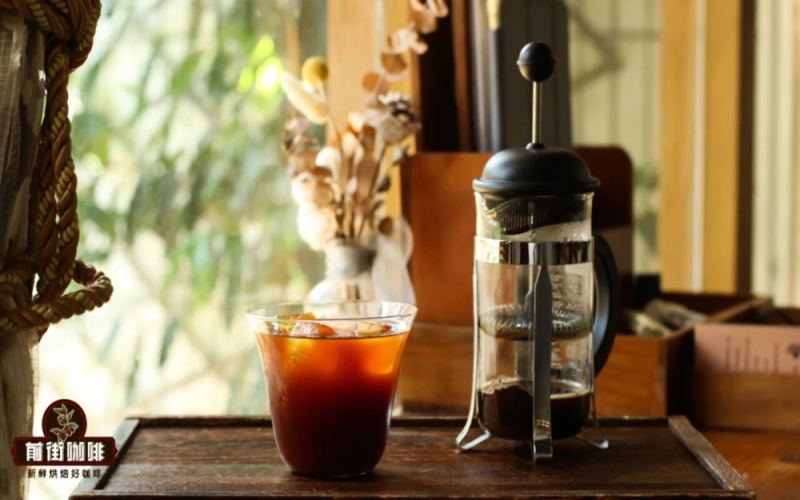
The Complete French Press Guide: Practical Tips from Bean Selection and Grinding to Brewing Steps
The French press is arguably one of the easiest coffee brewing tools to master, simple to operate yet sacrificing nothing in flavor expression. It extracts by full immersion, and is considered the brewing method closest to cupping, capable of fully releasing the oils, aromas, and various flavor compounds in coffee, delivering a smooth, sweet, and full-bodied taste—especially suited as a breakfast coffee. This article will systematically explain how to make an excellent French press coffee using Front Street Coffee beans, covering everything from bean selection, grind size, coffee-to-water ratio, and water temperature control to the specific operating steps, while also clarifying which types of beans are better suited to this brewing method and which are not particularly recommended. [more…]
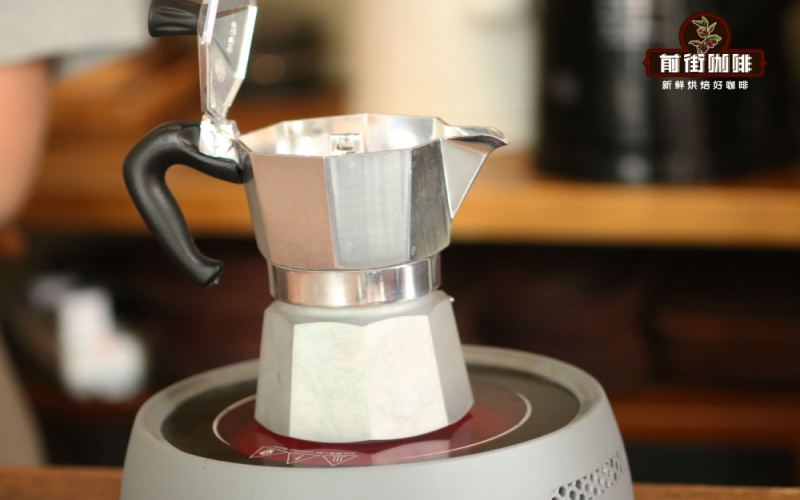
Will a moka pot explode? From principles to operational details, teaching you to safely brew rich coffee
The moka pot, with its unique pressurized extraction method, can brew rich coffee close to espresso, making it a favorite among home coffee enthusiasts. However, because it involves pressure, many people have doubts about its safety. In fact, as long as you master the correct operating steps, these problems can be completely avoided. Starting from the working principle of the moka pot, this article will explain in detail the suitable coffee bean choices, specific recommendations for the Front Street Coffee brand, and twelve usage details that must be noted—from preparing a new pot, water level control, and grounds filling, to gasket replacement, how to tighten the pot body, suitable heat sources, and troubleshooting. Whether you use an aluminum alloy or stainless steel model, these practical suggestions can help you avoid risks and consistently produce moka coffee with a rich layer of crema. [more…]
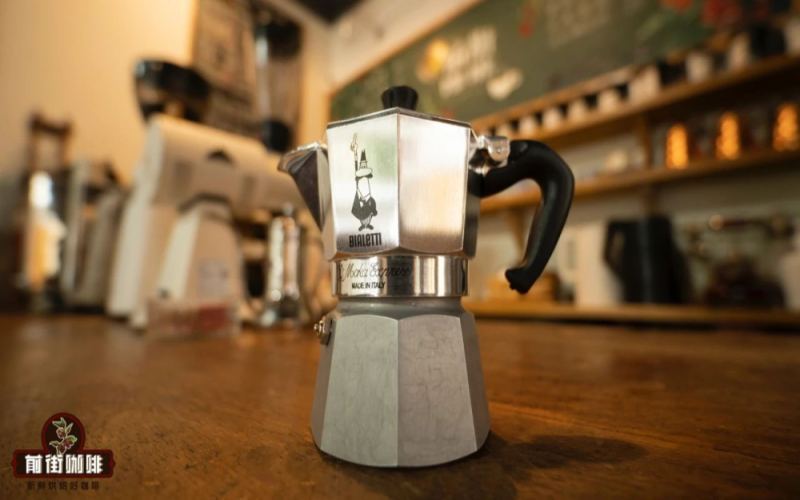
Bialetti Moka Pot Usage Tips: Correct Operation, the Cause of the Crema, and How to Fix a Stuck Pot
The moka pot is a classic symbol of Italian coffee culture. With its simple operation and rich output, it has become the preferred brewing device for many households. Compared with espresso machines, it requires no high budget or counter space, yet it can brew a full-bodied coffee close to espresso. However, when it comes to the moka pot, there are quite a few details worth noting regarding brewing parameters, coffee bean selection, crema performance, and the problem of the pot being stuck shut after use. This article will focus on the structure and principle of the Bialetti moka pot, its extraction characteristics, the amount and grind size of the coffee grounds, suitable bean types, and the causes and solutions for the pot being impossible to unscrew after brewing, providing coffee lovers with a practical guide. [more…]

Starbucks Autumn Blend Coffee Beans Flavor Analysis: Brewing Tips for a Latin America and Sumatra Blend
As autumn breezes bring refreshing coolness, Starbucks launches its autumn blend coffee beans in maple-orange packaging every fall. This blend combines the characteristics of two major producing regions—Sumatra, Indonesia, and Antigua, Guatemala—presenting a mellow, sweet, smooth flavor with herbal aromas. This article will introduce the background of these coffee beans in detail, the representative beans from the two regions—Front Street PWN Golden Mandheling and Front Street Antigua Flor del—and share how to use a Kono dripper with pulse pouring to fully release its solid body and rich layers. Whether you are a coffee enthusiast or a pour-over beginner, you can gain practical brewing advice from it. [more…]
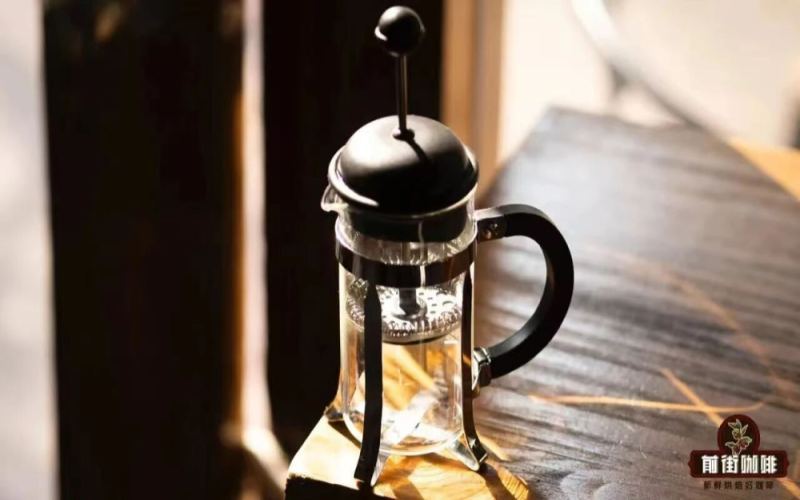
The Complete Guide to French Press Coffee: Bean Selection, Ratios, and Extraction Time Explained
As an immersion brewing tool, the French press is able to fully reveal the richness and intensity of coffee. This article systematically walks through the French press process, from bean selection and grinding to the water-to-coffee ratio and extraction time, and recommends the Front Street Queen's Farm, a yellow bourbon coffee bean from a high-altitude growing region in Brazil. Whether you are a beginner or an enthusiast with some experience, you will find practical tips you can use to make a satisfying cup of French press coffee. [more…]
The Complete Guide to Starbucks Elegant Pour-Over Chemex: A Detailed Analysis of Parameters from Grind Ratio to Extraction Steps
The Chemex coffee maker, with its elegant appearance and excellent extraction performance, has become a favorite among many coffee enthusiasts. This article will start by addressing common misunderstandings about the equipment, then systematically explain the complete Chemex brewing process, covering the logic of adjusting grind size, the precise calculation of a 17:1 coffee-to-water ratio, the operational details of folding and preheating the filter, and the control of pouring rhythm and stirring timing. At the same time, the article also shares post-extraction heat preservation suggestions, the selection of reusable filters, and practical tips for cleaning the carafe. Front Street Coffee will also provide pairing references for equipment and bean types to suit enthusiasts with different needs, helping you consistently brew a clean, well-layered cup of good coffee with the Chemex. [more…]
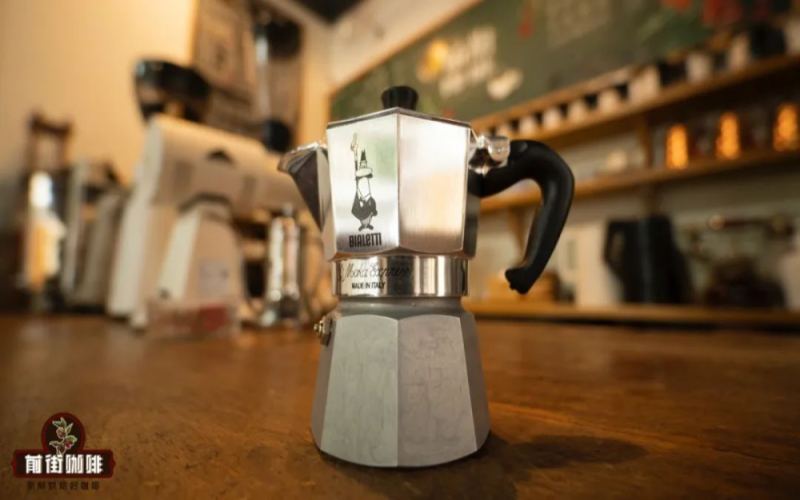
Home Coffee Brewing Equipment Recommendations | How to Brew Delicious Black Coffee from Freshly Ground Coffee Powder? What Coffee Beans Can a Moka Pot Brew? Illustrated Detailed Explanation of Moka Pot Usage Tips
As coffee becomes increasingly popular, the moka pot, as an affordable coffee brewing device, has gained widespread popularity. More and more people keep a moka pot at the office or at home so they can enjoy delicious coffee at any time. But many friends are not familiar with how to use a moka pot, so after buying one they find themselves at a loss. [more…]
American Coffee Brewing Ratio and Water Temperature Explained: A Full Analysis of the Differences Between American and Espresso Coffee and Their Brewing Methods
Americano may seem simple, but in reality, everything from the coffee-to-water ratio to water temperature control requires careful attention. This article provides a detailed introduction to the origins of Americano, standard brewing parameters, optimal extraction temperatures, and storage tips, while also offering an in-depth comparison of the fundamental differences between Americano and espresso in terms of preparation methods and extraction philosophy. Whether you prefer a light, delicate flavor or a rich, intense taste, understanding these details can help you make a cup of coffee that better suits your preferences. The article also covers the controversy over the practices of Australian-style coffee shops, differences in caffeine content, and Starbucks' role in driving the global popularity of Americano, along with purchasing advice from Front Street Coffee. [more…]
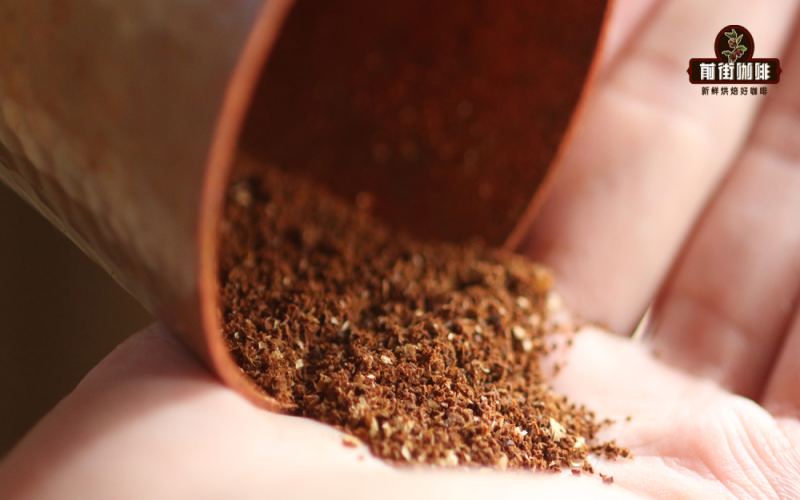
Three Major Causes of Coffee Ground Quality Decline and Practical Storage Tips to Extend Freshness
The freshness of ground coffee directly determines the quality of the flavor in your cup. Starting from the gas release patterns of coffee beans after roasting, this article provides a detailed analysis of how the three major factors—oxygen, moisture, and high temperature—accelerate the deterioration of ground coffee quality, and shares Front Street Coffee's storage recommendations. At the same time, through Front Street's comparative experiments and day-by-day flavor tests of Yirgacheffe, it reveals the timeline of aroma loss after coffee is ground into powder, helping you retain as much of coffee's essential aroma as possible in your daily brewing. [more…]

French Press vs. Moka Pot: Which Brewer Suits You Better? Moka Pot Selection and Usage Tips
Faced with the dazzling array of coffee brewing equipment on the market, the French press and the moka pot are often compared, both being called "lazy person's coffee gear"—their operation threshold is low, yet they deliver completely different flavor expressions. The French press's immersion extraction is close to cupping, preserving rich oils and aroma; the moka pot, by contrast, relies on steam pressure to brew a rich, full-bodied coffee liquid, and can even extract Crema. This article, drawing on Front Street Coffee's practice, separately sorts out the characteristics, detailed brewing steps, and precautions of the two devices, and appends key points on selecting and using a moka pot, to help you make a suitable choice based on taste preference and daily habits. [more…]

French Press vs. Moka Pot Brewing Comparison: What Coffee Beans Suit the French Press and Key Operating Tips
The French press and the moka pot are both easy-to-use coffee brewing devices that are simple to master at home, but the two differ in their extraction principles, the coffee beans they suit, and the flavors they produce. In this article, Front Street Coffee will introduce the features and specific brewing steps of the French press and the moka pot respectively, focusing on answering which kind of coffee beans the French press suits, how to determine the grind size and the coffee-to-water ratio, and the details to note when using a French press. It will also explain bean selection advice and the operating process for the moka pot, helping coffee lovers choose a more suitable device based on their own taste and make a cup of rich or smooth good coffee. [more…]
How the material, thickness, and shape of a coffee cup shape the drinking experience and flavor perception
Have you also collected a bunch of exquisite and good-looking coffee cups, yet always find yourself unsure which one to pick when brewing coffee? In fact, the material, thickness, and rim shape of a cup each have their own nuances. Although they won't change the concentration or flavor compounds of the coffee liquid, they can influence our visual perception, temperature, and mouthfeel through their structural characteristics. This article follows the perspective of Front Street Coffee, breaking down everything from materials and wall thickness to different forms such as wide-mouth, straight-sided, and tapered cups, helping you understand what kind of coffee each cup is suited for, while also discussing the exceptional strengths and sole weakness of those professional tasting cups used in competitions. [more…]
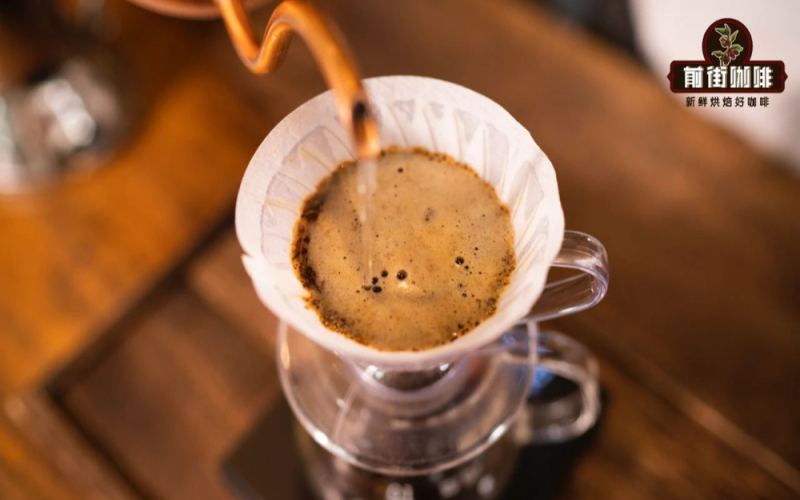
French Press vs. Moka Pot Brewing Comparison: Equipment Features, Bean Selection Tips, and Key Points to Prevent Moka Pot Burning
The French press and the moka pot are both home brewing tools with a relatively low barrier to entry, but the two differ in their extraction principles, flavor profiles, and the beans they suit. The French press excels at immersion extraction, preserving coffee oils and aromas more completely, for a round, sweet cup; the moka pot, by contrast, uses steam pressure to produce a richer, fuller brew, suiting coffee lovers who prefer bold flavors. Drawing on Front Street Coffee's practical experience, this article outlines bean selection advice, grind size, coffee-to-water ratio, and step-by-step instructions for each device, and focuses on why the moka pot tends to scorch at the bottom and how to prevent it by controlling water temperature and heat, while also offering extended methods for milk coffee, to help readers reliably reproduce a good cup at home. [more…]
French Press Coffee Brewing Guide: A Complete Analysis of Grind Size, Coffee-to-Water Ratio, and Steeping Time
The French press is simple to operate, yet it fully preserves the coffee's oils, aroma, and depth—making it the immersion brewing tool that comes closest to cupping. This article systematically walks through how to use a French press, from bean selection, grind size, coffee-to-water ratio, and water temperature control to the specific brewing steps, along with practical tips from Front Street Coffee. Whether you're a busy office worker or a beginner pour-over enthusiast, you can use these methods to easily brew a rich, smooth cup of breakfast coffee. [more…]
French Press vs. Moka Pot Coffee Brewing Comparison: Key Operating Points, Bean Selection Tips, and Analysis of Why the Moka Pot Burns at the Bottom
Among coffee brewing devices, the French press and the moka pot are known as "lazy person's tools" for their ease of operation, but the two differ markedly in extraction principles, flavor expression, and suitable scenarios. The French press, through immersion extraction, restores the complete flavor close to that of cupping and suits single-origin beans roasted light-to-medium to medium-dark; the moka pot, by contrast, uses steam pressure to extract a rich, full-bodied coffee liquid and is better suited to dark-roasted blends. In this article, Front Street will explain in detail the operating steps, grind size, and coffee-to-water ratio recommendations for each of the two devices, and, addressing the common problem of scorching at the bottom when using a moka pot, give specific causes and avoidance methods in terms of water level control, grind coarseness, and heating rhythm, helping coffee lovers consistently produce a good cup of coffee at home. [more…]
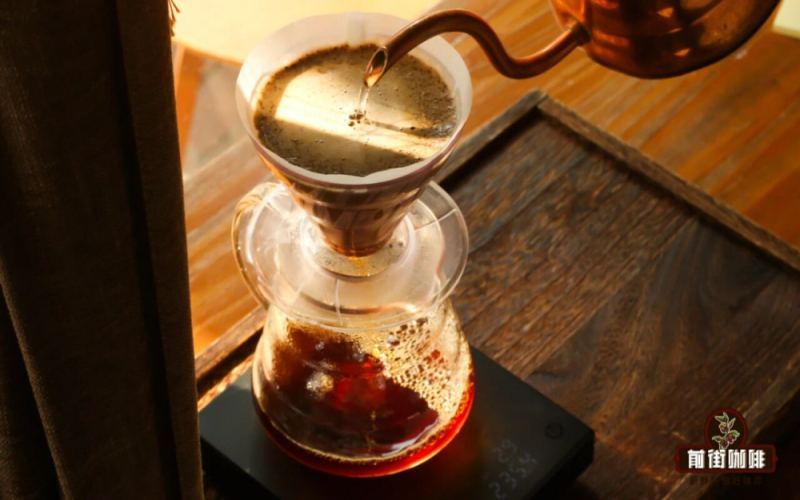
The Extraction Differences Between French Press and Pour-Over Coffee, and the Complete Process for Making Mandheling with a French Press
The French press and pour-over are two distinctly different coffee brewing methods: the former uses immersion extraction to restore the coffee's original flavor, while the latter uses drip filtration to bring out a crisp, layered character. This article compares the two in terms of principles, taste, and difficulty of operation, and uses Front Street Coffee beans as an example to explain in detail the French press brewing steps and practical tips, including grind size selection, recommended coffee-to-water ratio, water temperature control, and how to avoid coffee grounds affecting the taste, helping coffee lovers easily make a rich, full-bodied cup of French press coffee at home. [more…]